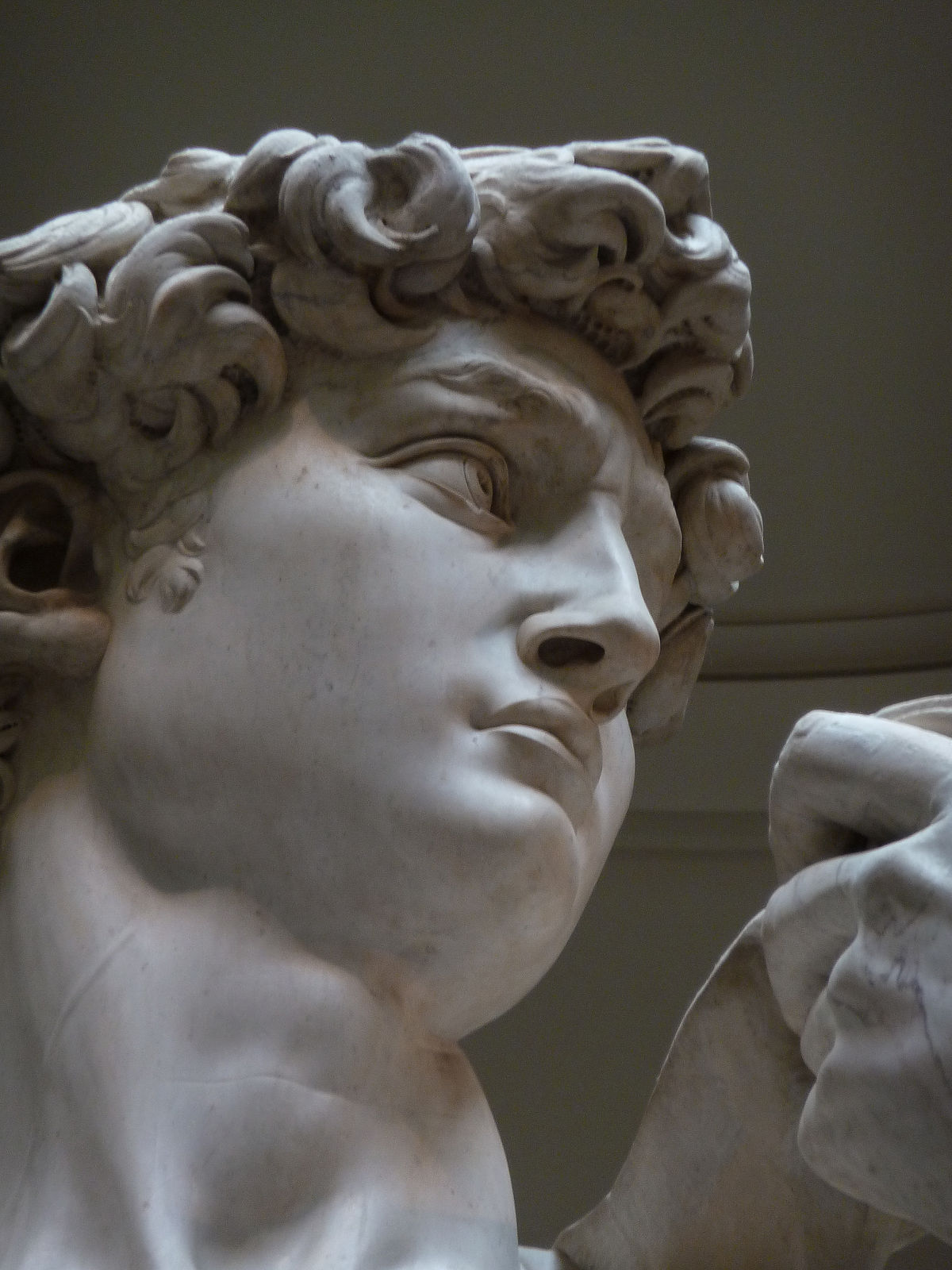
Known best for his exquisite statue of David and for his compelling Sistine Chapel frescos, Michelangelo is recognized as one of the elite visual artists the world has ever known, emerging in the minds of many as the foremost among them. How fascinating then to glimpse the master’s perspective as he commences his work, “Every block of stone has a statue inside it and it is the task of the sculptor to discover it.” Of one work in particular, he recounted, “I saw the angel in the marble and carved until I set him free.” How profound, and how profoundly humbling: in transforming rock into art, the great carver yet labored as a servant, liberating art from stone.
I wonder how closely Michelangelo’s call to discover and his diligence to emancipate reflected the heart of God, who transforms us into something far greater than any virtuoso might conceive. “I will give you a new heart and put a new spirit in you,” He promised through the prophet Ezekiel, “I will remove from you your heart of stone and give you a heart of flesh. And I will put my Spirit in you …”1 God’s vision was not merely to reshape rock from one form to another, but, in Christ Jesus and through His Spirit in us, to breathe life into these hearts of stone and set us free.
God’s transforming work continues, for “Those God foreknew he also predestined to be conformed to the likeness of his Son.”2 So, He shapes us, sometimes painfully through the chiseling hammers of this world or its forging furnaces, and at other times through the joy of His presence and the breathless vision of Him into Whose image we are being formed. For “the Lord is the Spirit,” wrote Paul, “and where the Spirit of the Lord is, there is liberty. But we all … beholding as in a mirror the glory of the Lord, are being transformed into the same image from glory to glory, just as from the Lord, the Spirit.” 3 So, take heart and persevere, for in each one of us “blocks of stone” God sees a marvelous statue, and more capably than any earthly artist, He carves until we are free.
Father, we have no idea the depth of your love for us or the height of your plans for us. All we can do is say, “I trust you” and “Thank you.” You are good. Lead me in your path today. Amen.
1 Ezekiel 37:26, 27
2 Romans 8:29
3 2 Corinthians 3:17, 18 NASB

 Paul Nordman—Author